half-logo

Engagement Models

Three Ways to Work with TechEniac

Dedicated team for ongoing product development. Project-based for defined scope. Team extension for scaling your existing team. Every model gives you dedicated engineers working full-time on your project no shared resources, no split attention.

How TechEniac Works with Founders

Three Models. One Set of Principles.

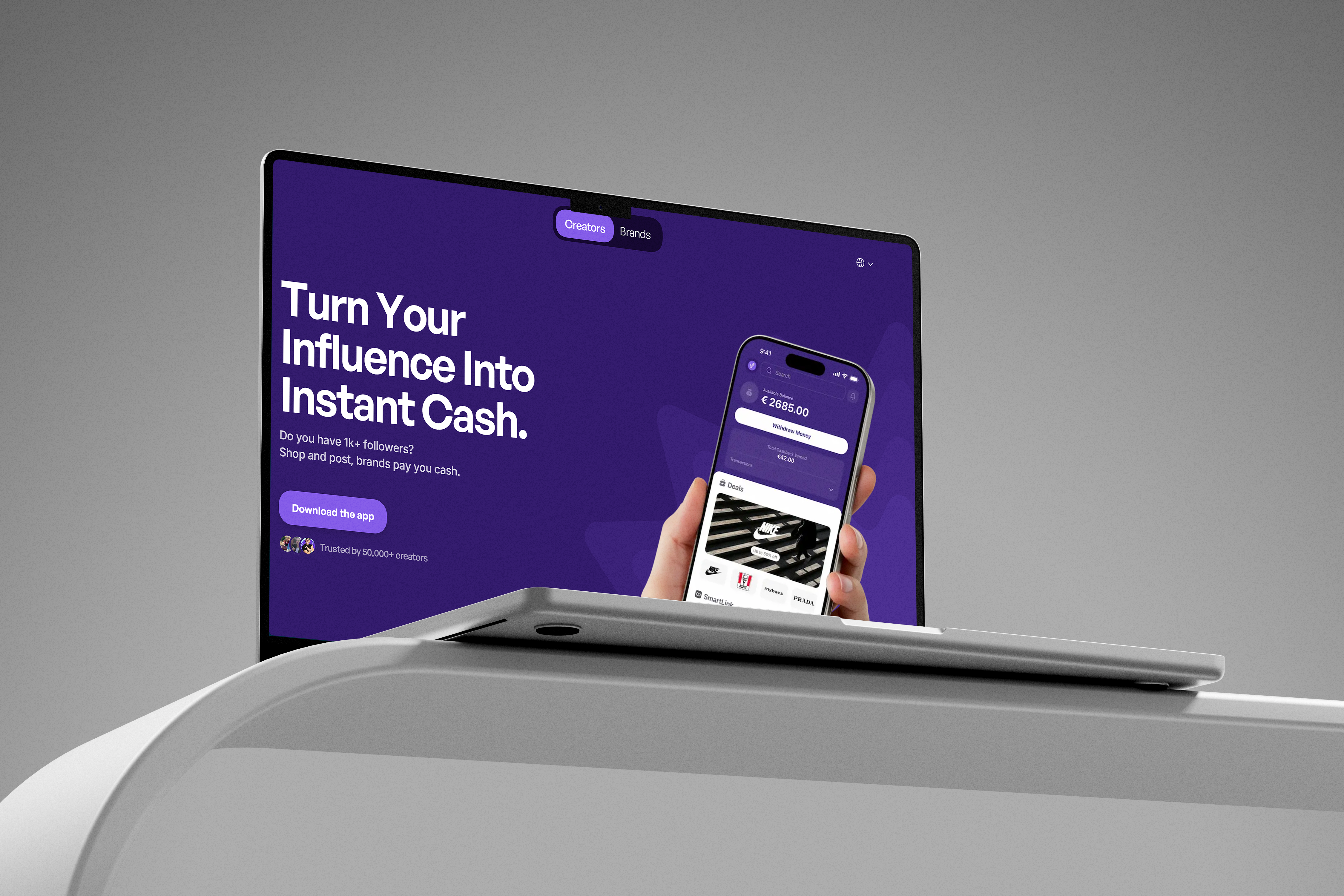
A pre-seed founder validating an AI MVP has different needs than a Series A company scaling to 100K users. A solo non-technical founder needs a full team. A founder with three in-house engineers needs specialised AI expertise. Across 15 production AI SaaS products and partnerships averaging 2+ years, these three models have served founders from first line of code through to platforms serving 25,000+ healthcare providers, 10,000+ creators, and 120+ enterprise clients.

Model 01

Dedicated Team

Dedicated Team

A full TechEniac engineering squad assigned exclusively to your product frontend, backend, AI/ML, and DevOps, managed by a project lead.

Who this is for

Founders building a new AI SaaS product from scratch who need an end-to-end engineering capability. Non-technical founders who need TechEniac to own architecture, technology selection, and execution. Founders looking for a long-term engineering partner, not a one-time vendor.
What you get

  • A team of 4–6 dedicated engineers selected for your stack
  • A project lead who manages sprints, daily coordination, and delivery
  • Weekly sprint demos deployed code, not slide decks
  • Architecture ownership with founder input at every review gate
  • Full IP ownership all code written in your repository from Day 1

How it works in practice

Client Partnership

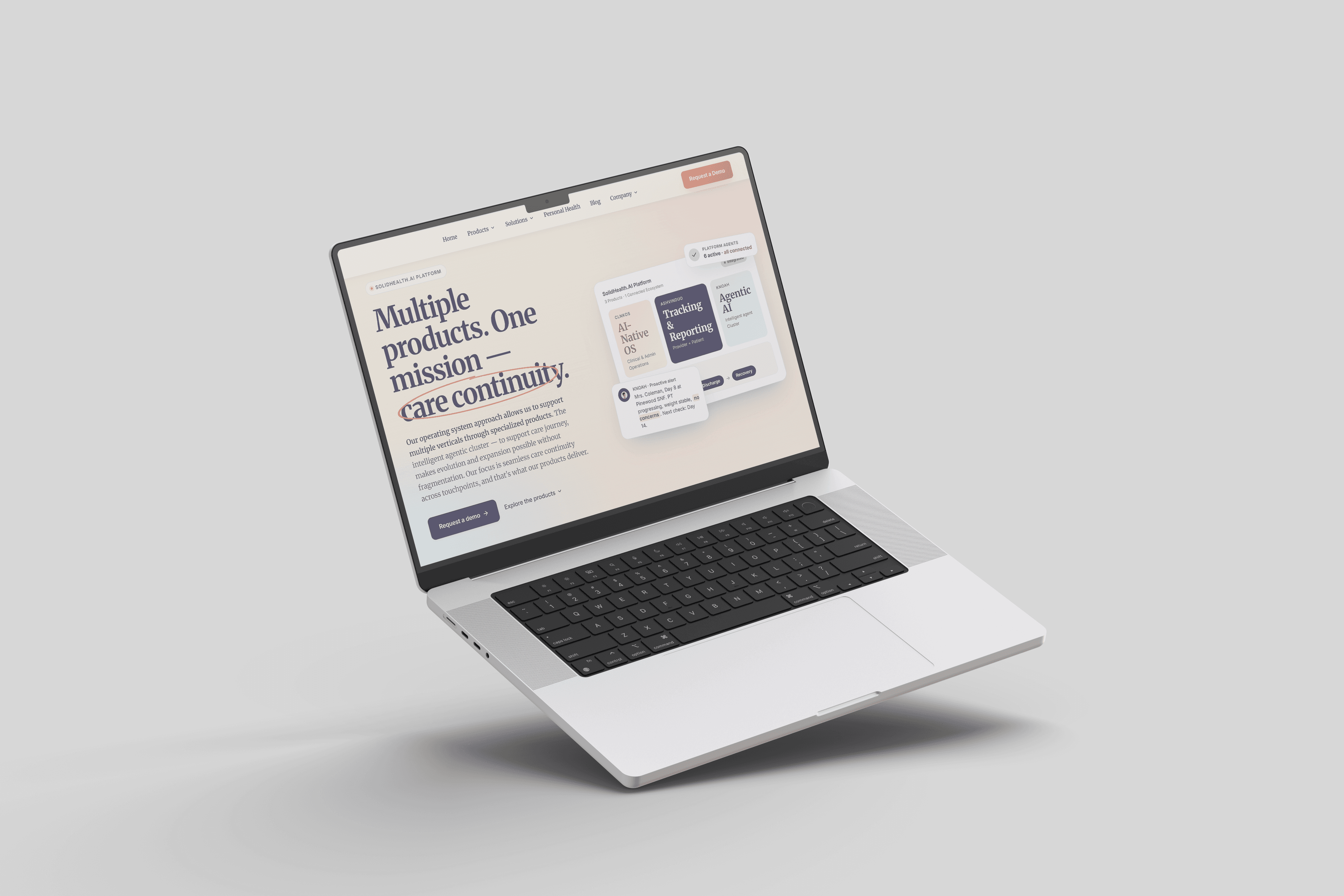
SolidHealth AI

5 engineers 1 frontend (React / Next.js), 1 backend/AI (Python / FastAPI / LangChain), 1 ML specialist (LLM / RAG / vector DB), 1 DevOps (GCP / Docker / Cloud Run), 1 PM designed a multi-agent LangGraph architecture, built FHIR integration, and shipped 95% medical accuracy in 11 months. Partnership continues.

Client Partnership

TalentSync AI

5 dedicated engineers built a 5-agent autonomous recruiting platform in 6 months. Zero to production, 50+ companies onboarded. One point of contact, working software every Friday.

Client Partnership

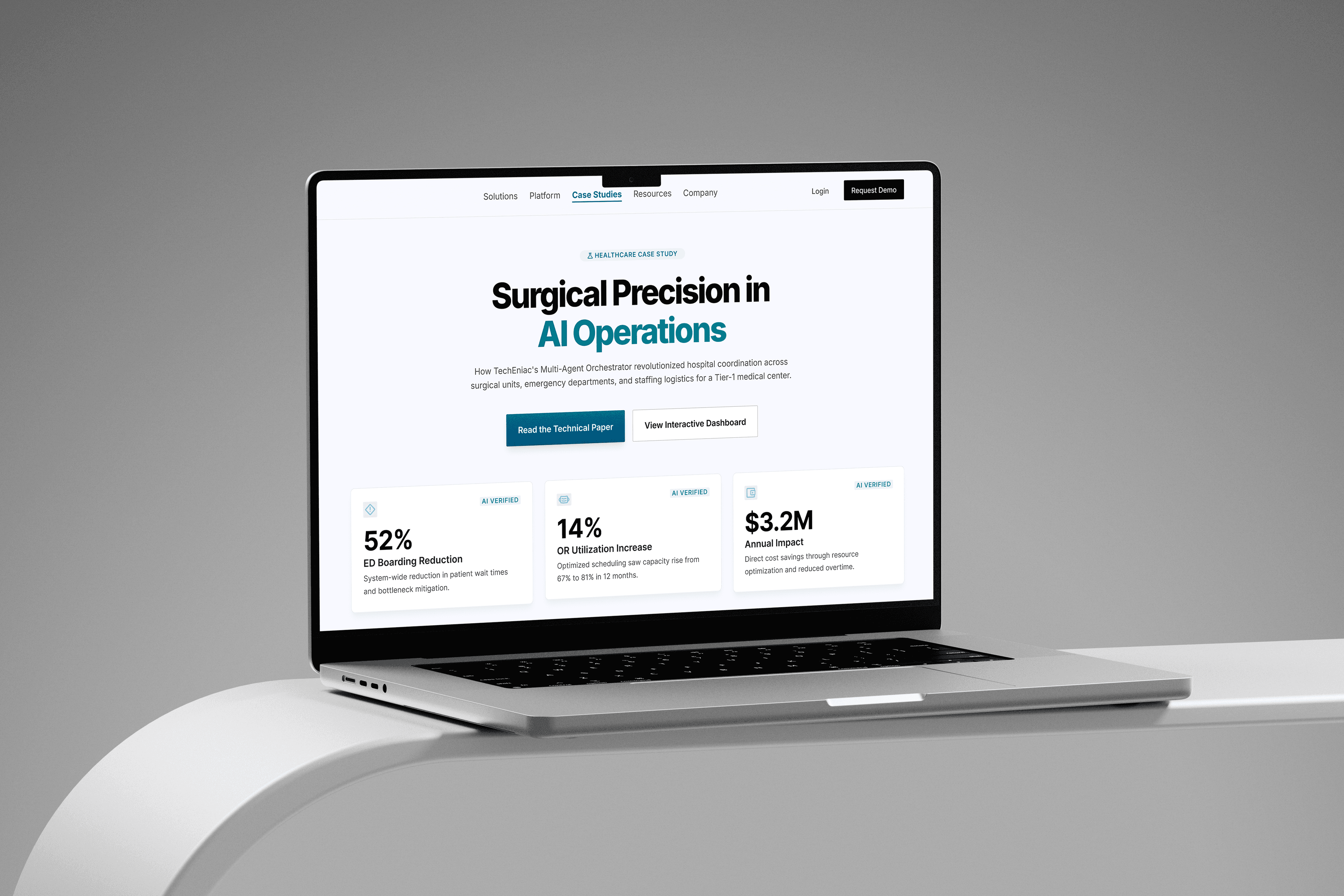
PatientFlow AI

6 engineers across Epic SMART on FHIR integration and multi-agent coordination for 4 hospitals. The model gave the founder confidence every engineer understood the full system context critical when agents coordinate beds, surgical scheduling, discharge, and capacity forecasting simultaneously.

Pricing

$3,200–$4,500 per month per engineer, depending on specialisation. A 4-engineer team: $12,800–$18,000/month. 5 engineers: $16,000–$22,500/month. 6 engineers with senior AI specialists: $19,200–$27,000/month. All-inclusive no hidden charges for PM, comms tooling, or infrastructure setup.

Minimum commitment

3 months minimum for new engagements enough time to complete discovery, establish rhythms, and ship meaningful progress. Continues month-to-month with 30 days notice. Most clients stay 12+ months; average relationship exceeds 2 years.

Model 02

Project-Based

Project-Based

A defined scope with fixed deliverables, timeline, and budget. We assign a team for the project duration, deliver the agreed scope, and the engagement concludes on delivery.

Who this is for

Founders with a clearly defined scope an MVP, a specific integration, an architecture migration, a performance engagement. Founders who need budget certainty: a fixed price for a fixed deliverable. Founders with in-house teams who need TechEniac for a project that exceeds their team's capacity or expertise.

What you get

  • Detailed proposal scope, deliverables, timeline, fixed price agreed before work begins
  • Dedicated team for the project duration (no shared resources)
  • Sprint demos throughout the project
  • Comprehensive documentation and knowledge transfer at completion
  • 30 days of post-delivery support for bug fixes and minor adjustments

How it works in practice

Project Delivery

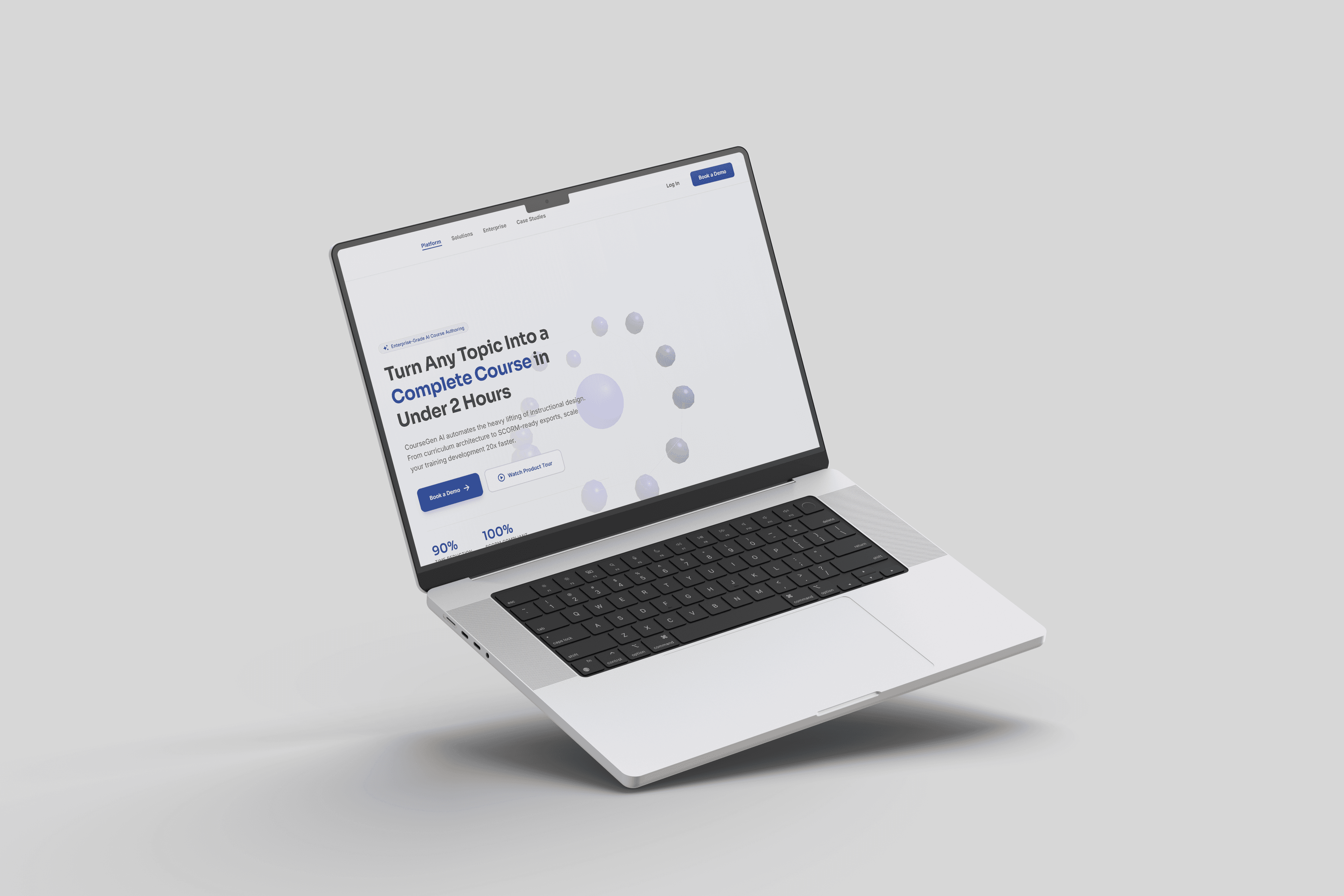
CourseGen AI

AI course creation MVP with SCORM export in 5 months to hit pilot commitments with 3 enterprise clients. 4 engineers delivered the AI curriculum engine, generative content production, adaptive assessment generator, SCORM packaging, and collaborative workspace. Founder launched with 18 B2B customers in Q1. Re-engaged TechEniac later for V2 under a dedicated team model.

Project Delivery

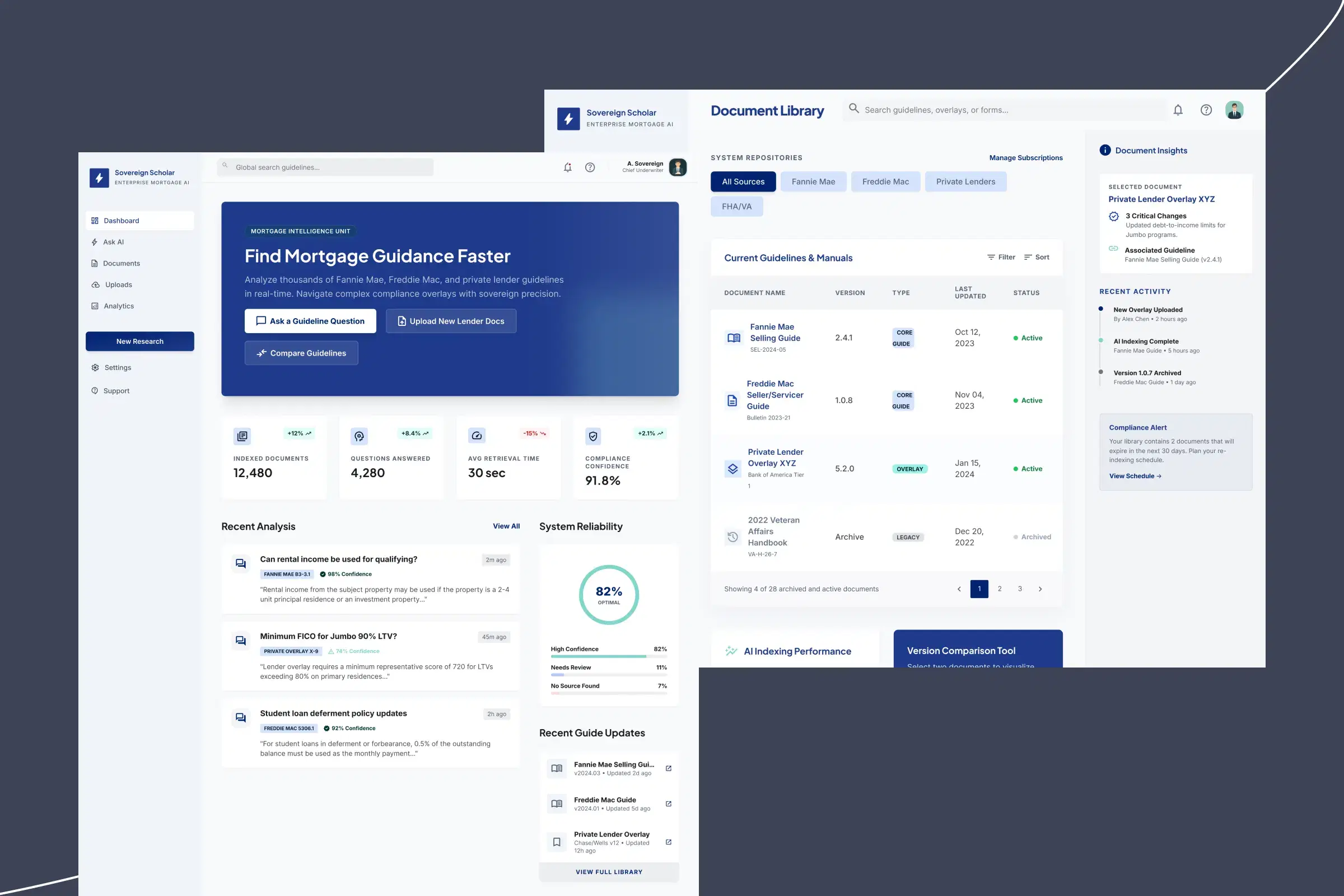
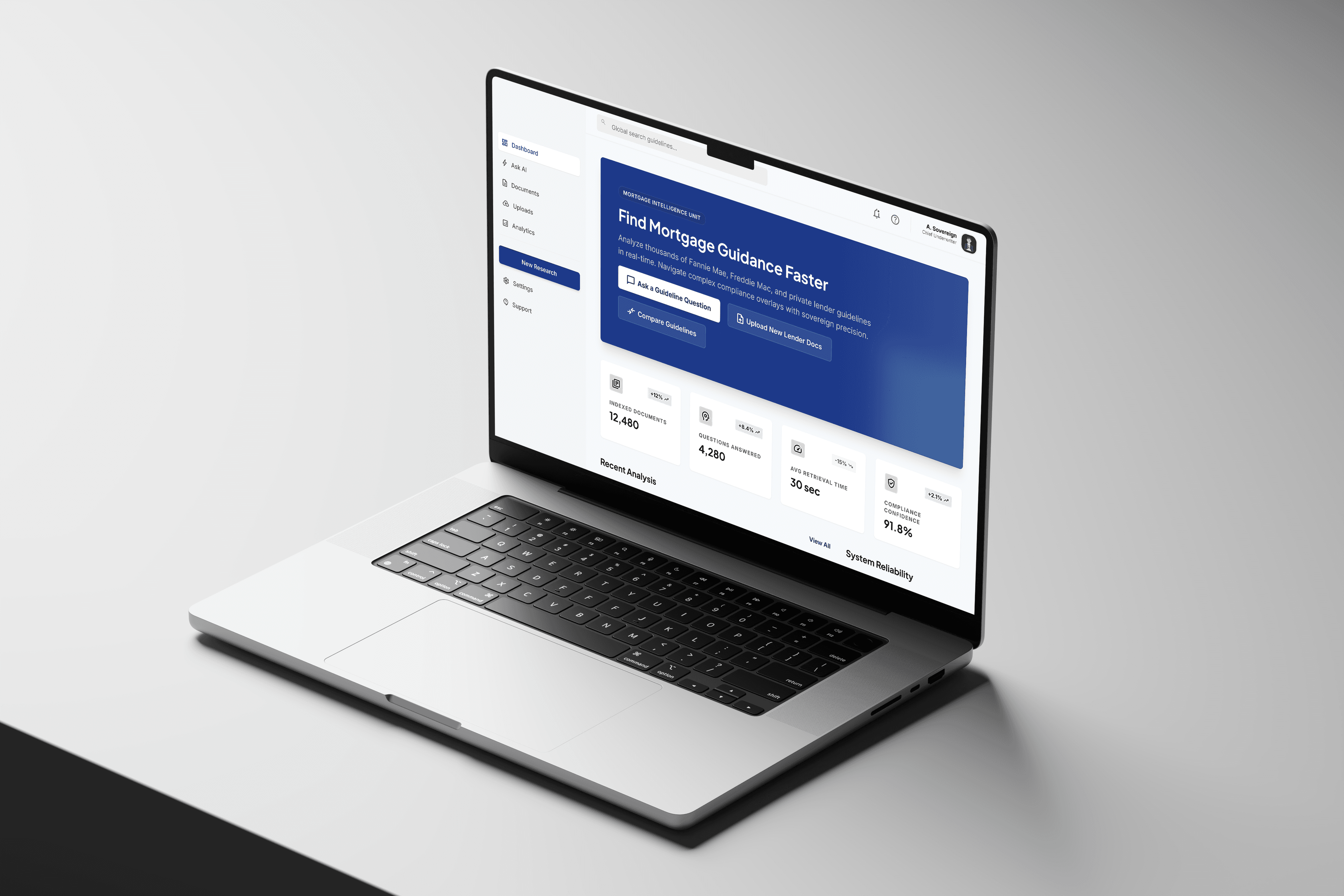
MortgageLens AI

RAG pipeline for mortgage guideline navigation clear accuracy target (90%+ compliance). Hybrid RAG, multi-format document ingestion, grounded generation with citations, serverless architecture delivered in 8 months. 35% infrastructure cost savings was a bonus.

Project Delivery

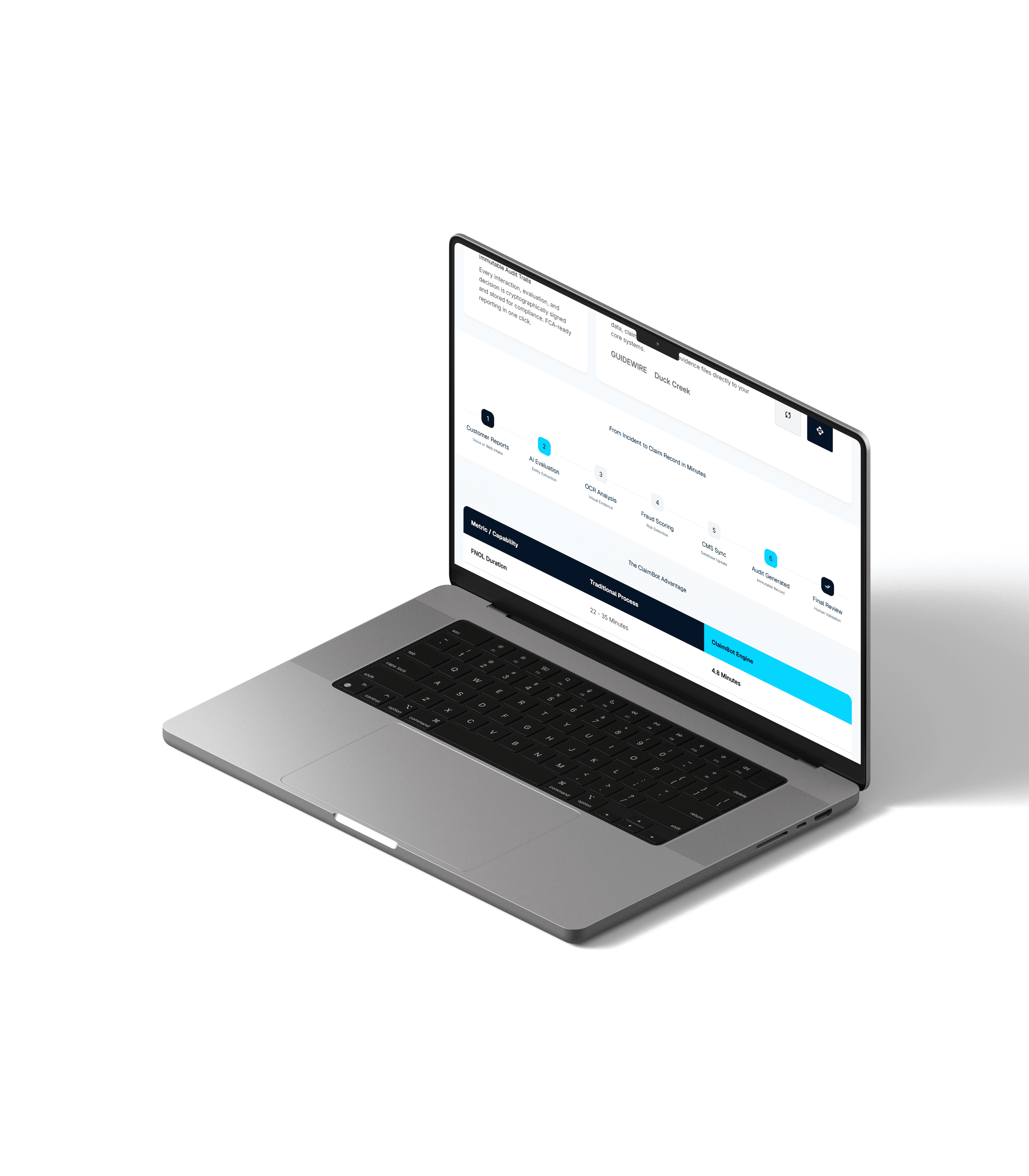
ClaimBot

Started project-based (build the claims chatbot), transitioned to dedicated team after launch for CMS integration, voice channel expansion, and new claim types. A common pattern founders test with a defined scope, then expand the relationship.

Pricing

Calculated from team × duration × monthly rate, with a fixed price agreed up front. Lean AI MVP (single feature, 8–10 weeks, 3–4 engineers): $15,000–$25,000. Standard AI MVP (RAG / multi-model, 10–14 weeks, 4 engineers): $25,000–$50,000. Complex AI product (multi-agent, compliance, 14–24 weeks, 5–6 engineers): $50,000–$80,000. Architecture audit & scaling (2–4 weeks, 2 engineers): $5,000–$15,000. Includes discovery, dev, testing, deployment, docs, and 30 days post-delivery support.

Minimum commitment

Fixed for the project duration. Scope changes handled through a formal change request: change documented, timeline and cost impact assessed, founder approves before work begins.

Change Management

Scope changes happen founders discover new requirements, user feedback shifts priorities, market conditions change. TechEniac handles each change with a documented impact assessment and explicit founder approval before work starts. The founder gets cost transparency; our team keeps delivery focus.

Model 03

Team Extension

Team Extension

Dedicated TechEniac engineers embedded inside your existing team. Same Slack, same standups, same repo, same PR review process engineers, not contractors.

Who this is for

Founders with 2–5 in-house developers who need specialised skills they do not have AI/ML engineering, LangChain / LangGraph expertise, Kubernetes / DevOps, or performance optimisation. Teams scaling capacity quickly without the 2–3 month full-time hiring timeline. CTOs augmenting their team with senior engineers for a defined initiative without committing to permanent headcount.

What you get

  • 1–3 dedicated TechEniac engineers selected for the skills your team lacks
  • Full integration with your workflows same Slack, Jira, repo, PR review process
  • Engineers available during your working hours (overlap managed by your location)
  • Direct comms between your team and TechEniac engineers no PM relay
  • Knowledge transfer built in engineers document their work and train your in-house team

How it works in practice

Embedded Team

RGuroo

TechEniac's longest team-extension engagement over 2 years. We function as RGuroo's core engineering team: 5 engineers across frontend (React / Plotly.js), backend (Node.js / Python), computation (R / Docker), QA, and PM. When RGuroo started hiring in-house, we helped onboard them, ran knowledge transfer sessions, and shifted to a supporting role while keeping engineering continuity.

Embedded Team

WorkflowAI

Hybrid model the in-house team handles the workflow canvas (React Flow) and connector framework; TechEniac's AI engineers handle the LangGraph decision engine and agent orchestration. Same repo, same standups, mutual PR reviews. In-house product context + TechEniac AI expertise = the AI decision nodes powering 120+ enterprise workflows.

Embedded Team

ContentForge AI

Founder had 2 in-house devs on frontend and basic backend. We extended with 3 engineers 1 AI specialist (GPT-4o / Claude / AraBART), 1 backend (compliance checker pipeline), 1 DevOps (AWS). Combined 5-person team shipped a multi-model content platform with Arabic language support in 8 months.

Pricing

$3,200–$4,500 per month per engineer same rate as the dedicated team model. The difference is management: in dedicated team, TechEniac's project lead manages the sprint. In team extension, your team lead or CTO manages the sprint and TechEniac engineers follow your processes. Most engagements start with 1–2 engineers and scale up or down based on need.

Minimum commitment

1-month minimum, month-to-month thereafter with 15 days notice for changes.

Which Model Is Right for You?

Pick the Model That Matches Your Stage

Most founders know their budget and timeline but are unsure which model fits. Three questions usually settle it. Do you have an existing engineering team? Is the scope well-defined with a clear end point? Do you need TechEniac to own architecture decisions?

Choose Dedicated Team when…

  • You are building a new product from scratch
  • You are a non-technical founder and need TechEniac to own architecture
  • You want a long-term engineering partner who grows with your product
  • You need 4+ engineers working full-time on your project
Examples: SolidHealth AI · TalentSync AI · PatientFlow AI · Linkfluencer · BrandVoice AI

Choose Project-Based when…

  • You have a clearly defined scope with specific deliverables and a deadline
  • You need budget certainty a fixed price for a fixed outcome
  • You already have a team for ongoing work and need us for a specific project
  • The project has a natural end point (MVP launch, integration, migration)
Examples: CourseGen AI · MortgageLens AI · ClaimBot (initial build)

Choose Team Extension when…

  • You have 2–5 in-house engineers who need specialised skills
  • You want to scale capacity without a 2–3 month recruiting cycle
  • Your CTO wants to manage the combined team directly
  • You need flexibility to scale engineers up or down month-to-month
Examples: RGuroo · WorkflowAI (AI engineers) · ContentForge AI

Not sure? Start with a conversation.

Tell us where you are. If you have an existing engineering team, team extension or project-based usually fits. If you do not, dedicated team is the natural starting point. If the scope is well-defined with a clear end point, project-based fits. If your CTO owns architecture decisions, team extension fits otherwise, dedicated team.

What Is Consistent Across All Three Models

Five Things That Never Change

Constant 01

Dedicated engineers

Every engineer assigned to your project works full-time on your project. No shared resources, no split attention. Your engineer's entire working day is spent on your product.

Constant 02

Full IP ownership

All code, documentation, architecture diagrams, and deployment configs belong to you from Day 1. Code is pushed to your repository. IP assignment is in every TechEniac contract if the engagement ends tomorrow, you walk away with everything.

Constant 03

Transparent communication

Weekly sprint demos with working software. Daily availability on Slack. Shared boards (Jira, Linear, or your tool). No information asymmetry you see the same data our engineers see. Problems surface the same day, not at sprint end.

Constant 04

Engineer continuity

The engineers who start your project stay on your project. No mid-project rotation. Our average engineer tenure exceeds 3 years your project benefits from that stability.

Constant 05

Honest recommendations

If TechEniac is not the right choice for your situation, we will tell you. Four times in the last two years we have recommended founders hire in-house instead of working with us because it was the better path for their stage.

Transitioning Between Models

Engagements Evolve. So Do We.

Founders frequently transition between models as their needs evolve. Documentation is comprehensive from Day 1. Knowledge is distributed across the team, not concentrated in one person. These practices ensure that transitioning between models, or away from TechEniac entirely is smooth and risk-free.

Project → Dedicated Team

ClaimBot initial chatbot build delivered as a project, then ongoing voice channel, CMS integration, and new claim types under a dedicated team.

Team Extension → Dedicated Team

RGuroo started as an embedded team extension and grew into a dedicated team as TechEniac took on more product ownership.

Project → Re-engagement

CourseGen AI completed the MVP as a fixed-scope project; the founder re-engaged for V2 under a dedicated team model after early traction.

FAQ

Frequently Asked Questions

Can I start with a small engagement to test TechEniac before committing?

Yes. The most common test engagement is a 2-week paid discovery sprint ($3,000–$5,000). You work directly with TechEniac engineers, evaluate our process and technical quality, and receive a technical architecture document and sprint plan as deliverables. If you are satisfied, it transitions into the full engagement. If not, you walk away with valuable deliverables and zero obligation.

What happens if an engineer leaves TechEniac during my project?

Our average engineer tenure exceeds 3 years, so this is rare. When it happens, we provide a 30-day overlap where the departing engineer works alongside their replacement, ensuring complete knowledge transfer. Your project never has a gap the new engineer is productive before the departing one leaves.

How do you handle timezone differences?

US clients (EST / PST): 4–5 hours of daily overlap during your morning hours. Daily standups happen during this window; async communication via Slack and Loom covers the rest. UK clients: significant overlap throughout the working day (5.5 hours ahead of GMT). UAE clients: near-complete overlap (1.5 hours ahead of GST). Every engagement has a documented communication schedule agreed in Week 1.

What if I want to scale the team up or down?

Dedicated team: scale up with 2–4 weeks notice (time to select and onboard the right engineer). Scale down with 30 days notice. Team extension: scale up with 2–4 weeks notice, scale down with 15 days notice. Project-based: team size is fixed for the project; scaling happens via formal change requests.

Do I need to provide equipment, tools, or licenses?

No equipment TechEniac engineers use their own equipment and TechEniac-provided tools. If your project requires specific licensed software (Figma, Jira, specific cloud services), we will request access but the license cost is typically yours since these are your team tools. There are no hidden infrastructure or tooling charges from TechEniac.

How does pricing compare to hiring in-house in the US or UK?

A senior US full-stack developer costs $180,000–$250,000 per year ($15,000–$21,000/month including benefits and overhead). A TechEniac dedicated engineer costs $3,200–$4,500 per month. A 4-engineer TechEniac team ($12,800–$18,000/month) costs less than a single US senior developer. The savings are real, but the decision should not be purely cost-based.

Book a Free Consultation

Tell us about your product, team, and budget. TechEniac will recommend the engagement model that fits your stage and goals. No pitch just an engineering conversation.